Out of the Garden of Eden…

ח  וַיִּטַּע יְהוָה אֱלֹהִים, גַּן-בְּעֵדֶן–מִקֶּדֶם; וַיָּשֶׂם שָׁם, אֶת-הָאָדָם אֲשֶׁר יָצָר. 8 And the LORD God planted a garden eastward, in Eden; and there He put the man whom He had formed.
ט  וַיַּצְמַח יְהוָה אֱלֹהִים, מִן-הָאֲדָמָה, כָּל-עֵץ נֶחְמָד לְמַרְאֶה, וְטוֹב לְמַאֲכָל–וְעֵץ הַחַיִּים, בְּתוֹךְ הַגָּן, וְעֵץ, הַדַּעַת טוֹב וָרָע. 9 And out of the ground made the LORD God to grow every tree that is pleasant to the sight, and good for food; the tree of life also in the midst of the garden, and the tree of the knowledge of good and evil.
י  וְנָהָר יֹצֵא מֵעֵדֶן, לְהַשְׁקוֹת אֶת-הַגָּן; וּמִשָּׁם, יִפָּרֵד, וְהָיָה, לְאַרְבָּעָה רָאשִׁים. 10 And a river went out of Eden to water the garden; and from thence it was parted, and became four heads.
יא  שֵׁם הָאֶחָד, פִּישׁוֹן–הוּא הַסֹּבֵב, אֵת כָּל-אֶרֶץ הַחֲוִילָה, אֲשֶׁר-שָׁם, הַזָּהָב. 11 The name of the first is Pishon; that is it which compasseth the whole land of Havilah, where there is gold;
יב  וּזְהַב הָאָרֶץ הַהִוא, טוֹב; שָׁם הַבְּדֹלַח, וְאֶבֶן הַשֹּׁהַם. 12 and the gold of that land is good; there is bdellium and the onyx stone.
יג  וְשֵׁם-הַנָּהָר הַשֵּׁנִי, גִּיחוֹן–הוּא הַסּוֹבֵב, אֵת כָּל-אֶרֶץ כּוּשׁ. 13 And the name of the second river is Gihon; the same is it that compasseth the whole land of Cush.
יד  וְשֵׁם הַנָּהָר הַשְּׁלִישִׁי חִדֶּקֶל, הוּא הַהֹלֵךְ קִדְמַת אַשּׁוּר; וְהַנָּהָר הָרְבִיעִי, הוּא פְרָת. 14 And the name of the third river is Tigris; that is it which goeth toward the east of Asshur. And the fourth river is the Euphrates.

Upon reading these Bible verses, there is no one river in the Holy Land that can be the one river that came out of the Garden of Eden, which fed four rivers.  Especially in light of the notable historian Josephus’ account of things, a Jew who recorded history in Greek just after the time of Jesus.  However, if one looks a bit peripherally at this Bible narrative, citing Josephus, and using an open mind, one can glean another truth about the Garden of Eden.

The Tigris and Euphrates Rivers in this Genesis story are straight-forward.  The other two rivers are not so straight-forward to us, but if we look to Josephus for clarification we find this:

“Moses says further, that God planted a paradise in the east, flourishing with all sorts of trees; and that among them was the tree of life, and another of knowledge, whereby was to be known what was good and evil; and that when he brought Adam and his wife into this garden, he commanded them to take care of the plants. Now the garden was watered by one river,which ran round about the whole earth, and was parted into four parts. And Phison, which denotes a multitude, running into India, makes its exit into the sea, and is by the Greeks called Ganges. Euphrates also, as well as Tigris, goes down into the Red Sea.Now the name Euphrates, or Phrath, denotes either a dispersion, or a flower: by Tiris, or Diglath, is signified what is swift, with narrowness; and Geon runs through Egypt, and denotes what arises from the east, which the Greeks call Nile.”  ~Josephus, Antiquities of the Jews, Book 1, Chapter 1

So we have the Tigris and Euphrates.  And we have the ‘Geon’ or Gihon which in Hebrew means ‘gushing forth’ as the Nile does in the Delta region of Africa.  Please regard this map:

If that is not a ‘gushing forth’ I don’t know what is.

Please note that a ‘head’ of a river is its beginning, and the mouth is its ending.  So bear in mind that the Garden of Eden is the origin of the four great rivers it recounts in the scripture.

Moving along to the last great river, the Pishon, which the Greeks called the Ganges, I want to propose here that instead of the Ganges, they were really referring to the Indus River, which nearly joins the Ganges in the uppermost reaches of the Himalayas, too far for any ancient man to traverse, or know with certainty.  Please see the following map:

It almost appears that they are connected, and it might have been that ancient man believed the Indus River was the River Ganges.  If we take into account a further consideration of the description of the Pishon River [“The name of the first is Pishon; that is it which compasseth the whole land of Havilah, where there is gold; and the gold of that land is good; there is bdellium and the onyx stone.”]  “Compasseth” in Hebrew means to ‘go around’ versus ‘go through’, much like how the Indus and Ganges rivers make a semi-circle around India.  Havilah means ‘a son of Cush’ in Hebrew, and the Cush could refer to the Hindu Kush, who happen to also live where there are significant amounts of gold, as is related in this excerpt:

Beneath a remote, mountainous patch of northern Pakistan could sit large deposits of gold, and one University of Houston geologist is using cutting-edge remote sensing technology and analysis to find it.

Shuhab Khan, associate professor of geology, is part of a $370,000 National Academies of Science project to aid in the exploration of an area along the Indus River long believed to contain substantial amounts of gold.

Some in the region eke out a meager living panning for gold – earning less than $100 a year – but no serious exploration or mining has been attempted. The project also includes geologists at the University of Peshawar and is intended to foster U.S. – Pakistani relations through scientific cooperation and economic development.

Khan is tasked with identifying and mapping specific target zones where gold deposits could lie by collecting and analyzing satellite and GIS data to look for rock alteration zones that could signify the presence of gold. Then rock samples will be collected to determine if they contain trace amounts of gold.

Gold deposits typically sit in the shallow subsurface and if found could easily be extracted by mining. It may not be another California gold rush, but Khan believes there are economically significant amounts of gold in the isolated Pakistani highlands where the Hindu Kush and Himalaya mountains converge.

The project includes training Pakistani scientists in remote sensing image processing and trace element geochemistry.

The area’s gold panners will also be trained in safer, more efficient methods of panning for the glittering nuggets. They currently use primitive tools to sift through the Indus River sands, extracting course gold while throwing fine, tiny gold particles back in the river. They also use mercury in the panning process which is causing pollution in the river and groundwater, a problem the project hopes to alleviate.

And Bdellium is:

Bdellium (dĕl’ē-əm) (Hebrew bedolach), also bdellion, is an aromatic gum like myrrh that is exuded from a tree. An Arab writer first made the identification with gum guggul, the species Commiphora wightii

Commiphora wightii (GuggalGuggul or Mukul myrrh tree) is a flowering plant in the family Burseraceae.  The guggul plant may be found from northern Africa to central Asia, but is most common in northern India. It prefers arid and semi-arid climates and is tolerant of poor soil.

It was a cheaper form of myrrh resin (which was highly revered by ancient peoples) and here is a picture of it:

As for ‘onyx stone’…

“Onyx is mainly found in India and on the continent of South America. This gemstone is also called sardonyx and it comes in different colors, including red, brown and black.”

So, it appears that the 4 great rivers of Life:  the Indus, the Nile, the Tigris, and the Euphrates, had their headwaters in the one source river in the Garden of Eden.

What could the Prophet of the Oral Tradition of the the origins of life from God mean by this?  It obviously isn’t literally a certain garden in a certain place; it is much larger than that, in size and meaning.  God’s Garden of Eden exists somewhere beyond us now, but it created the one great river of Life which promulgated the four great rivers which were the cradle of Homo sapiens sapiens, or modern man, created in God’s image.

In view of this, it is certain that there were many Adams and Eves.  Adam “is the Hebrew word for “man”. It could be ultimately derived from Hebrew (‘adam) meaning “to be red”, referring to the ruddy colour of human skin, or from Akkadian adamu meaning “to make”. According to Genesis in the Old Testament Adam was created from the earth by God (there is a word play on Hebrew (‘adamah) “earth”).”  -Behindthename.com

We (our earliest Adams and Eves) obviously were kicked out of God’s Garden of Eden, since there is no record of it on this earth as we know it.  I think this happened not because of past events in our timeline, but because of future events in our timeline–because Eve will eat from the Tree of Knowledge and Adam will follow suit.  Because God knows all things outside of Time and Space, and He knows we will eat of the Tree of Knowledge and attain His knowledge (as foretold in Jeremiah, see previous post entitled ‘Part III:  Jeremiah’s Hidden Prophecy), He took care  to put us out of the Garden of Eden before we could eat from the Tree of Life and have power over Life, His domain.

Then.  Enter Life as we know it.

Time was before God, God created Space, giving God control over Time

Genesis Chapter 1 בְּרֵאשִׁית

א  בְּרֵאשִׁית, בָּרָא אֱלֹהִים, אֵת הַשָּׁמַיִם, וְאֵת הָאָרֶץ. 1 In the beginning God created the heaven and the earth.
ב  וְהָאָרֶץ, הָיְתָה תֹהוּ וָבֹהוּ, וְחֹשֶׁךְ, עַל-פְּנֵי תְהוֹם; וְרוּחַ אֱלֹהִים, מְרַחֶפֶת עַל-פְּנֵי הַמָּיִם. 2 Now the earth was unformed and void, and darkness was upon the face of the deep; and the spirit of God hovered over the face of the waters.
ג  וַיֹּאמֶר אֱלֹהִים, יְהִי אוֹר; וַיְהִי-אוֹר. 3 And God said: ‘Let there be light.’ And there was light.
ד  וַיַּרְא אֱלֹהִים אֶת-הָאוֹר, כִּי-טוֹב; וַיַּבְדֵּל אֱלֹהִים, בֵּין הָאוֹר וּבֵין הַחֹשֶׁךְ. 4 And God saw the light, that it was good; and God divided the light from the darkness.
ה  וַיִּקְרָא אֱלֹהִים לָאוֹר יוֹם, וְלַחֹשֶׁךְ קָרָא לָיְלָה; וַיְהִי-עֶרֶב וַיְהִי-בֹקֶר, יוֹם אֶחָד.  {פ} 5 And God called the light Day, and the darkness He called Night. And there was evening and there was morning, one day. {P}
ו  וַיֹּאמֶר אֱלֹהִים, יְהִי רָקִיעַ בְּתוֹךְ הַמָּיִם, וִיהִי מַבְדִּיל, בֵּין מַיִם לָמָיִם. 6 And God said: ‘Let there be a firmament in the midst of the waters, and let it divide the waters from the waters.’
ז  וַיַּעַשׂ אֱלֹהִים, אֶת-הָרָקִיעַ, וַיַּבְדֵּל בֵּין הַמַּיִם אֲשֶׁר מִתַּחַת לָרָקִיעַ, וּבֵין הַמַּיִם אֲשֶׁר מֵעַל לָרָקִיעַ; וַיְהִי-כֵן. 7 And God made the firmament, and divided the waters which were under the firmament from the waters which were above the firmament; and it was so.
ח  וַיִּקְרָא אֱלֹהִים לָרָקִיעַ, שָׁמָיִם; וַיְהִי-עֶרֶב וַיְהִי-בֹקֶר, יוֹם שֵׁנִי.  {פ} 8 And God called the firmament Heaven. And there was evening and there was morning, a second day. {P}
ט  וַיֹּאמֶר אֱלֹהִים, יִקָּווּ הַמַּיִם מִתַּחַת הַשָּׁמַיִם אֶל-מָקוֹם אֶחָד, וְתֵרָאֶה, הַיַּבָּשָׁה; וַיְהִי-כֵן. 9 And God said: ‘Let the waters under the heaven be gathered together unto one place, and let the dry land appear.’ And it was so.
י  וַיִּקְרָא אֱלֹהִים לַיַּבָּשָׁה אֶרֶץ, וּלְמִקְוֵה הַמַּיִם קָרָא יַמִּים; וַיַּרְא אֱלֹהִים, כִּי-טוֹב. 10 And God called the dry land Earth, and the gathering together of the waters called He Seas; and God saw that it was good.
יא  וַיֹּאמֶר אֱלֹהִים, תַּדְשֵׁא הָאָרֶץ דֶּשֶׁא עֵשֶׂב מַזְרִיעַ זֶרַע, עֵץ פְּרִי עֹשֶׂה פְּרִי לְמִינוֹ, אֲשֶׁר זַרְעוֹ-בוֹ עַל-הָאָרֶץ; וַיְהִי-כֵן. 11 And God said: ‘Let the earth put forth grass, herb yielding seed, and fruit-tree bearing fruit after its kind, wherein is the seed thereof, upon the earth.’ And it was so.
יב  וַתּוֹצֵא הָאָרֶץ דֶּשֶׁא עֵשֶׂב מַזְרִיעַ זֶרַע, לְמִינֵהוּ, וְעֵץ עֹשֶׂה-פְּרִי אֲשֶׁר זַרְעוֹ-בוֹ, לְמִינֵהוּ; וַיַּרְא אֱלֹהִים, כִּי-טוֹב. 12 And the earth brought forth grass, herb yielding seed after its kind, and tree bearing fruit, wherein is the seed thereof, after its kind; and God saw that it was good.
יג  וַיְהִי-עֶרֶב וַיְהִי-בֹקֶר, יוֹם שְׁלִישִׁי.  {פ} 13 And there was evening and there was morning, a third day. {P}
יד  וַיֹּאמֶר אֱלֹהִים, יְהִי מְאֹרֹת בִּרְקִיעַ הַשָּׁמַיִם, לְהַבְדִּיל, בֵּין הַיּוֹם וּבֵין הַלָּיְלָה; וְהָיוּ לְאֹתֹת וּלְמוֹעֲדִים, וּלְיָמִים וְשָׁנִים. 14 And God said: ‘Let there be lights in the firmament of the heaven to divide the day from the night; and let them be for signs, and for seasons, and for days and years;
טו  וְהָיוּ לִמְאוֹרֹת בִּרְקִיעַ הַשָּׁמַיִם, לְהָאִיר עַל-הָאָרֶץ; וַיְהִי-כֵן. 15 and let them be for lights in the firmament of the heaven to give light upon the earth.’ And it was so.
טז  וַיַּעַשׂ אֱלֹהִים, אֶת-שְׁנֵי הַמְּאֹרֹת הַגְּדֹלִים:  אֶת-הַמָּאוֹר הַגָּדֹל, לְמֶמְשֶׁלֶת הַיּוֹם, וְאֶת-הַמָּאוֹר הַקָּטֹן לְמֶמְשֶׁלֶת הַלַּיְלָה, וְאֵת הַכּוֹכָבִים. 16 And God made the two great lights: the greater light to rule the day, and the lesser light to rule the night; and the stars.
יז  וַיִּתֵּן אֹתָם אֱלֹהִים, בִּרְקִיעַ הַשָּׁמָיִם, לְהָאִיר, עַל-הָאָרֶץ. 17 And God set them in the firmament of the heaven to give light upon the earth,
יח  וְלִמְשֹׁל, בַּיּוֹם וּבַלַּיְלָה, וּלְהַבְדִּיל, בֵּין הָאוֹר וּבֵין הַחֹשֶׁךְ; וַיַּרְא אֱלֹהִים, כִּי-טוֹב. 18 and to rule over the day and over the night, and to divide the light from the darkness; and God saw that it was good.
יט  וַיְהִי-עֶרֶב וַיְהִי-בֹקֶר, יוֹם רְבִיעִי.  {פ} 19 And there was evening and there was morning, a fourth day. {P}
כ  וַיֹּאמֶר אֱלֹהִים–יִשְׁרְצוּ הַמַּיִם, שֶׁרֶץ נֶפֶשׁ חַיָּה; וְעוֹף יְעוֹפֵף עַל-הָאָרֶץ, עַל-פְּנֵי רְקִיעַ הַשָּׁמָיִם. 20 And God said: ‘Let the waters swarm with swarms of living creatures, and let fowl fly above the earth in the open firmament of heaven.’
כא  וַיִּבְרָא אֱלֹהִים, אֶת-הַתַּנִּינִם הַגְּדֹלִים; וְאֵת כָּל-נֶפֶשׁ הַחַיָּה הָרֹמֶשֶׂת אֲשֶׁר שָׁרְצוּ הַמַּיִם לְמִינֵהֶם, וְאֵת כָּל-עוֹף כָּנָף לְמִינֵהוּ, וַיַּרְא אֱלֹהִים, כִּי-טוֹב. 21 And God created the great sea-monsters, and every living creature that creepeth, wherewith the waters swarmed, after its kind, and every winged fowl after its kind; and God saw that it was good.
כב  וַיְבָרֶךְ אֹתָם אֱלֹהִים, לֵאמֹר:  פְּרוּ וּרְבוּ, וּמִלְאוּ אֶת-הַמַּיִם בַּיַּמִּים, וְהָעוֹף, יִרֶב בָּאָרֶץ. 22 And God blessed them, saying: ‘Be fruitful, and multiply, and fill the waters in the seas, and let fowl multiply in the earth.’
כג  וַיְהִי-עֶרֶב וַיְהִי-בֹקֶר, יוֹם חֲמִישִׁי.  {פ} 23 And there was evening and there was morning, a fifth day. {P}
כד  וַיֹּאמֶר אֱלֹהִים, תּוֹצֵא הָאָרֶץ נֶפֶשׁ חַיָּה לְמִינָהּ, בְּהֵמָה וָרֶמֶשׂ וְחַיְתוֹ-אֶרֶץ, לְמִינָהּ; וַיְהִי-כֵן. 24 And God said: ‘Let the earth bring forth the living creature after its kind, cattle, and creeping thing, and beast of the earth after its kind.’ And it was so.
כה  וַיַּעַשׂ אֱלֹהִים אֶת-חַיַּת הָאָרֶץ לְמִינָהּ, וְאֶת-הַבְּהֵמָה לְמִינָהּ, וְאֵת כָּל-רֶמֶשׂ הָאֲדָמָה, לְמִינֵהוּ; וַיַּרְא אֱלֹהִים, כִּי-טוֹב. 25 And God made the beast of the earth after its kind, and the cattle after their kind, and every thing that creepeth upon the ground after its kind; and God saw that it was good.
כו  וַיֹּאמֶר אֱלֹהִים, נַעֲשֶׂה אָדָם בְּצַלְמֵנוּ כִּדְמוּתֵנוּ; וְיִרְדּוּ בִדְגַת הַיָּם וּבְעוֹף הַשָּׁמַיִם, וּבַבְּהֵמָה וּבְכָל-הָאָרֶץ, וּבְכָל-הָרֶמֶשׂ, הָרֹמֵשׂ עַל-הָאָרֶץ. 26 And God said: ‘Let us make man in our image, after our likeness; and let them have dominion over the fish of the sea, and over the fowl of the air, and over the cattle, and over all the earth, and over every creeping thing that creepeth upon the earth.’
כז  וַיִּבְרָא אֱלֹהִים אֶת-הָאָדָם בְּצַלְמוֹ, בְּצֶלֶם אֱלֹהִים בָּרָא אֹתוֹ:  זָכָר וּנְקֵבָה, בָּרָא אֹתָם. 27 And God created man in His own image, in the image of God created He him; male and female created He them.
כח  וַיְבָרֶךְ אֹתָם, אֱלֹהִים, וַיֹּאמֶר לָהֶם אֱלֹהִים פְּרוּ וּרְבוּ וּמִלְאוּ אֶת-הָאָרֶץ, וְכִבְשֻׁהָ; וּרְדוּ בִּדְגַת הַיָּם, וּבְעוֹף הַשָּׁמַיִם, וּבְכָל-חַיָּה, הָרֹמֶשֶׂת עַל-הָאָרֶץ. 28 And God blessed them; and God said unto them: ‘Be fruitful, and multiply, and replenish the earth, and subdue it; and have dominion over the fish of the sea, and over the fowl of the air, and over every living thing that creepeth upon the earth.’
כט  וַיֹּאמֶר אֱלֹהִים, הִנֵּה נָתַתִּי לָכֶם אֶת-כָּל-עֵשֶׂב זֹרֵעַ זֶרַע אֲשֶׁר עַל-פְּנֵי כָל-הָאָרֶץ, וְאֶת-כָּל-הָעֵץ אֲשֶׁר-בּוֹ פְרִי-עֵץ, זֹרֵעַ זָרַע:  לָכֶם יִהְיֶה, לְאָכְלָה. 29 And God said: ‘Behold, I have given you every herb yielding seed, which is upon the face of all the earth, and every tree, in which is the fruit of a tree yielding seed–to you it shall be for food;
ל  וּלְכָל-חַיַּת הָאָרֶץ וּלְכָל-עוֹף הַשָּׁמַיִם וּלְכֹל רוֹמֵשׂ עַל-הָאָרֶץ, אֲשֶׁר-בּוֹ נֶפֶשׁ חַיָּה, אֶת-כָּל-יֶרֶק עֵשֶׂב, לְאָכְלָה; וַיְהִי-כֵן. 30 and to every beast of the earth, and to every fowl of the air, and to every thing that creepeth upon the earth, wherein there is a living soul, [I have given] every green herb for food.’ And it was so.
לא  וַיַּרְא אֱלֹהִים אֶת-כָּל-אֲשֶׁר עָשָׂה, וְהִנֵּה-טוֹב מְאֹד; וַיְהִי-עֶרֶב וַיְהִי-בֹקֶר, יוֹם הַשִּׁשִּׁי.  {פ} 31 And God saw every thing that He had made, and, behold, it was very good. And there was evening and there was morning, the sixth day. {P}

Out of Time came God.  There is nothing in the Bible to suggest God made Time, though He did divide Time into units of Day and Night.  Time is the backdrop context to all things, including God.  It is conceivable that over eons of time an intelligent being, called God, evolved; a mixture of uncanny intelligence, amassed energy (Dark Energy), and an attraction for other beings [omniscience, omnipotence, and omnibenevolence, the trinity of God].

The first letter in the Hebrew Bible which connotes God and His work is Bet, not Aleph, the first letter of the alphabet:

Bereshit Bara Elohim Et [in the beginning God created et, et being a definite direct object]

With the direct object being Space, in my theory.

Why wasn’t the first letter an aleph?  Aleph is a vowel, and is a silent letter, and Jewish scholars have puzzled over this for millenia.  I believe that aleph represents Time; that Time is the silent thing that comes before God, and then God created everything else, including Space.

When God faced the ‘void’ and the ‘deep’, it is easy to imagine the emptiness.  And as the Spirit of God was hovering over the face of the waters, Space was created as the backdrop within which He created everything else.

Then God said, ‘Let there be light’; and there was light.  On Day 1 He created Light and Dark.  Light is the purest form of energy we know.  Dark is absence of light.  The Big Bang theory says that nearly 14 billion years ago, a very dense and hot area in the universe starting rapidly expanding.  The primary source of light is thermal, meaning a body at a certain temperature emits waves of light, some of which we cannot see with the naked eye, and must be viewed with infrared technology.

The rapidly expanding hot density then began to cool, which in turn caused the creation of subatomic particles:  electrons, protons, and neutrons.  Thousands of years then passed before these coalesced into the first atoms.  The atoms made cloud clusters (Firmament Heaven) and eventually coalesced via gravity to form planets (the earth), stars, and galaxies (Greater and Lesser light) the product of God’s work on Days 2, 3, and 4, respectively, coinciding with the known cosmological calendar.

From there, He created the creatures of the water and air.

And finally, on the Last Day, Day 6, He created the creatures of the earth and Man.  Then He rested on Day 7.

Did He do this all in seven days?  Perhaps in His timeline yes.  In ours?  No.  If 14 billion years passed from His intention to create life as we know it, and companions for Him, in His image, I doubt that He’d wait so long, given our concept of Time.  So He must exist outside of Time.  Time can warp as we now know with the understanding of Spacetime.  But between Time and Space is God.  God causes Spacetime warping, making God controller over Time.  He is so incredibly intelligent He found a way to bend Time to His will.

God is X’s and O’s

File:Baglione.jpg

Woke up around 0500 and had some insights from God.  I will share one with you now.  God’s Realm makes up the dark matter/dark energy of the universe.  Except

Where heaven is, it’s light, not dark; and where we are, it’s dark, not light.

Something happens in the universe which ‘crosses over’ at a certain point in space-time.  I had no idea what until I did a brief search about it.

At the ‘event horizon’ way out in outer space (I think around 16 billion light years away) there is a place that beyond which we cannot see anything anymore and everything essentially becomes invisible to us:

“However, because of the accelerating expansion, it is projected that most galaxies will eventually cross a type of cosmological event horizon where any light they emit past that point will never be able to reach us at any time in the infinite future…As galaxies approach the point of crossing this cosmological event horizon, the light from them will become more and more redshifted, to the point where the wavelength becomes too large to detect in practice and the galaxies appear to disappear completely… One suggests that phantom energy causes divergent expansion, which would imply that the effective force of dark energy continues growing until it dominates all other forces in the universe. Under this scenario, dark energy would ultimately tear apart all gravitationally bound structures, including galaxies and solar systems, and eventually overcome the electrical and nuclear forces to tear apart atoms themselves, ending the universe in a “Big Rip“. On the other hand, dark energy might dissipate with time or even become attractive. Such uncertainties leave open the possibility that gravity might yet rule the day and lead to a universe that contracts in on itself in a “Big Crunch“. Some scenarios, such as the cyclic model, suggest this could be the case.  It is also possible the universe may never have an end and continue in its present state forever (see The second law as a law of disorder).”  -Wiki on ‘Dark Energy’.

It is also interesting to note that currently dark matter accounts for 26.8%, and dark energy accounts for 68.3% of the force of the universe, making a total of the ‘dark force’ of the universe a whopping 95.1%.  Whereas 13.7 billion years ago, we only had 63% dark matter.  As dark matter decreases, dark energy increases.  Dark energy’s nature, unlike dark matter, is constant and never evolves, but is unchanging.

I induce from this that on our current course, Endtimes are coming.  But there also seems to be the possibility, according to science, that God could effect whatever end He wants on us, and even reverse the Endtimes, as described at the end of the preceding quote.

I already proved that God’s Realm makes a circle O, as related in the code and prose of the Bible.  But it also appears that the cross X is also a very real sign of His work and way, as related to Jesus’ crucifixion, the physical workings of man (as in how the brain and body cross over), and our universe.

I believe God is saying our actions matter.  🙂

The Christmas Tree: The Most Pagan Symbol of Christmas

Originally posted on October 7, 2013

I have some pagan friends–or at least the husband calls himself pagan, and he refuses to put up a Christmas tree because he wants to avoid celebrating anything related to Christianity or God.

The irony is that the Christmas tree is the most pagan of the symbols of Christmas.

I know that the Old Testament often refers to Asherah trees and pillars of wood being erected in the woods, or near an altar, to worship pagan gods and goddesses:  ”Never set up for yourselves an Asherah of any wood beside an altar to Yahweh your God”  ~Deuteronomy 16:21  But I had never realized that the decorating of trees was the same practice, just taken a step further until I read this recently in Jeremiah:

Do not learn the way of the Gentiles (pagans);

Do not be dismayed at the signs of heaven,

For the Gentiles are dismayed at them.

For the customs of the peoples are futile (vanity);

For one cuts a tree from the forest,

The work of the hands of the workman, with the ax.

They decorate it with silver and gold;

They fasten it with nails and hammers

So that it will not topple…

They must be carried,

Because they cannot go by themselves.  ~Jeremiah 10:2-5

The history of the Christmas tree as we know it is a bit ambiguous, but seems to come on the scene somewhere around 15-1600 AD.  My guess is the Gentiles who became believers in Christ, and wanted to celebrate Christmas, brought some of their pagan beliefs with them and morphed them into one practice:  adorning a tree whilst worshiping the birth of Christ.  I guess it seemed like a good idea to them.

Of course, this is prescribed against as completely heretical, because God seriously abhors the worshiping of any idols in any way, shape, or form, as was frequently done in ancient times with trees and pillars and graven images; it is His most serious sin besides blaspheming Him.  To erect an adorned tree to celebrate the birth of God’s favorite Son is like worshiping God by sacrificing your son or daughter to Baal.  It just should never be done.

God is Jealous for Woman~

Originally posted on October 7, 2013

God has given woman the special ability to have the blood of life flow through her body.  God loves woman and looks upon her with specialness and favor because He knows she alone can carry and bear life unto earth, graced by Him.

God knows how lustful and greedy men can be, so he put it in Moses’ heart to write the Law (without really understanding it fully) in such a way as that woman will be set apart every month, in such a way as to make men avoid her.  This provides woman a space from man and his lustly pursuits of her so that she might devote unrestrained attention to her LORD God, as He desires, having a special fondness for the female.  Moses used ‘impure’ to describe her during this time:  ”If a woman has a discharge of blood, she shall be set apart seven days during her impurity, and if any man lies with her, he shall be unclean.”  ~Leviticus 15:19,24  This negative view of her monthly cycle is no surprise since women were rather oppressed and without many rights in ancient times.

I know God looks upon women as the holy beings He made us to be, giving us the ability to bleed to bring forth new life, as a constant renewal of man, because the life is in the blood, and it is the blood that makes atonement for one’s life.  ~Leviticus 17:11 

He is so jealous for us, He has provided a way to get us all to Himself once a month.

You think of everything My Mighty Master~

Love,

~Mary

Man shall not live by bread alone…

Originally posted on September 14, 2013

The LORD your God led you all the way these forty years in the wilderness to humble you and test you, to know what was in your heart, whether you would keep His commandments or not. So He humbled you, allowed you to hunger, and fed you with manna which you did not know nor did your fathers know, that He might make you know that man shall not live by bread alone; but man lives by every word that proceeds from the mouth of the LORD…Therefore you shall keep the commandments of the LORD your God, to walk in His ways and to fear Him.” ~Deuteronomy 8:2-3,6


For the LORD your God is bringing you into a good land, a land of brooks of water, of fountains and springs, that flow out of valleys and hills…a land in which you will eat bread without scarcity, in which you will lack nothing….~Deuteronomy 8:7,9

Hierarchy of Holiness

Originally posted on September 11, 2013

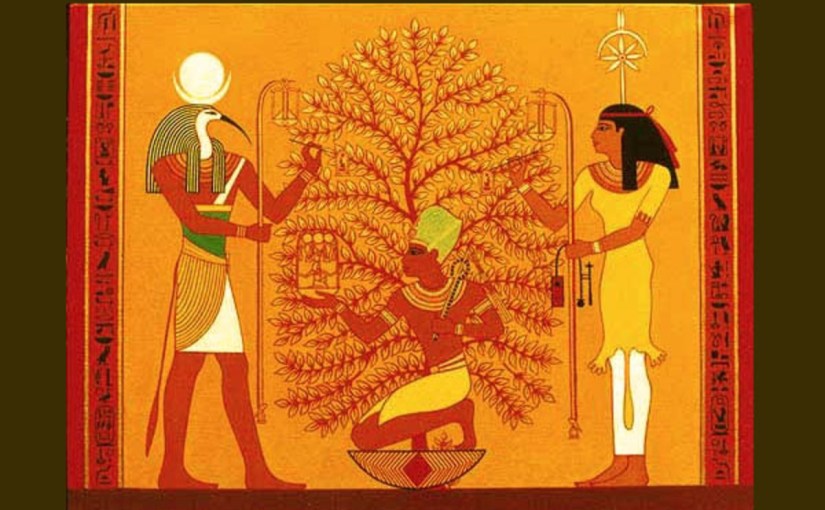
God

Messiah

Prophet

Apostle or Missionary

Priest

Good Man

Man

Messiah~A messiah is a saviour or liberator of a group of people, typically a high priest anointed by God.

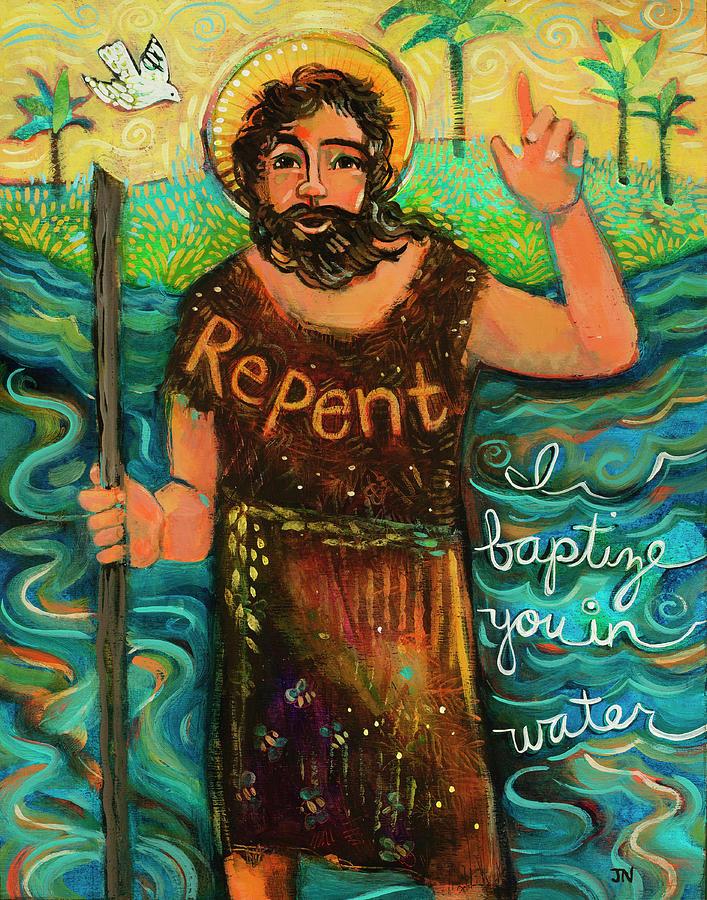
Prophet~An individual who is claimed to have been contacted by the supernatural or the divine, and to speak for them, serving as an intermediary with humanity, delivering this newfound knowledge from the supernatural entity to other people.  The message that the prophet conveys is called a prophecy.

st-john-the-baptist-jen-norton

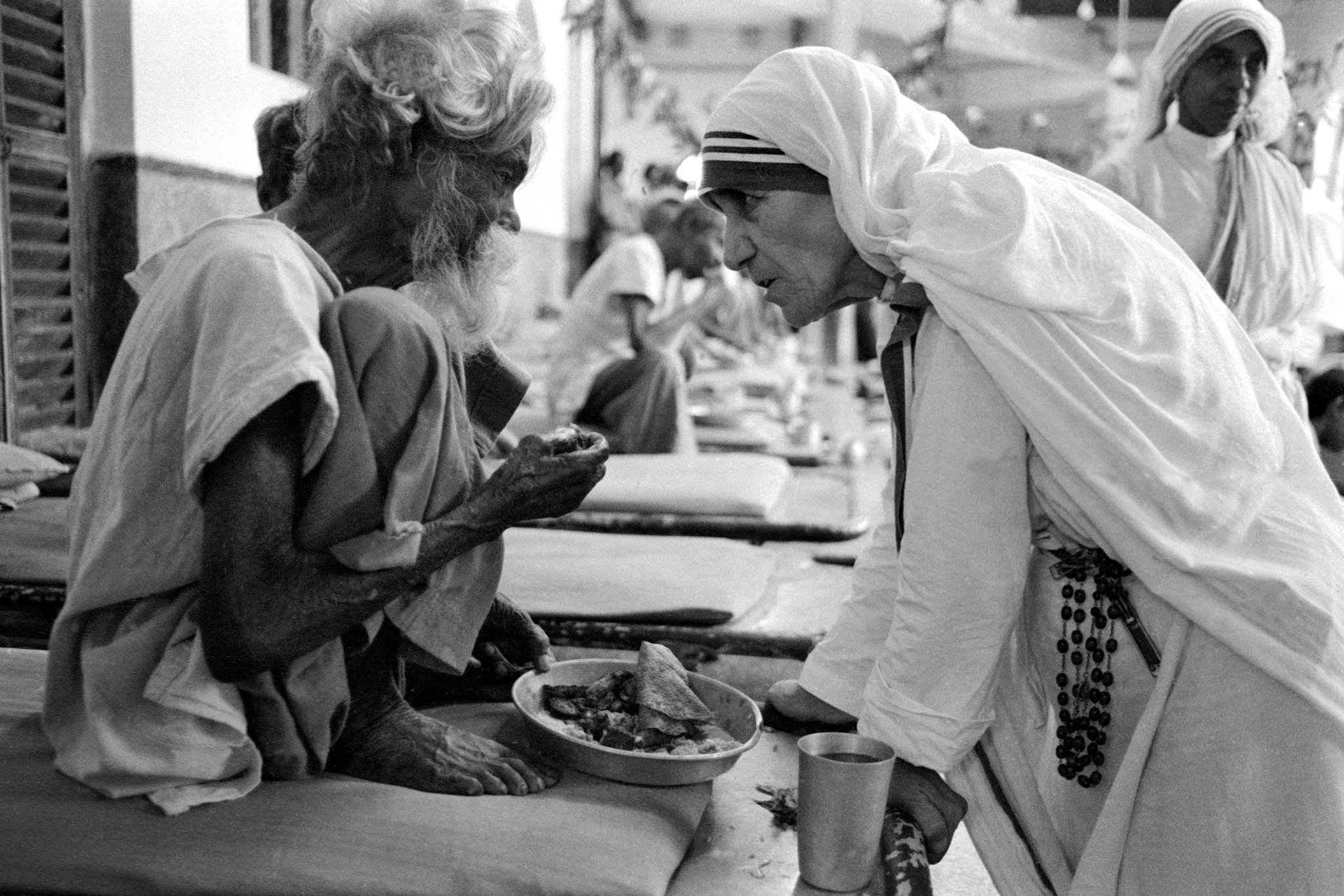
Apostle or Missionary~’One who is sent away’-A messenger or ambassador.

02MotherTeresa-1940-superJumbo

Priest~A person whose purpose is to always serve God, and is authorized to perform the sacred rituals of a religion, especially as a mediatory agent, and to be a bridge between man and God.

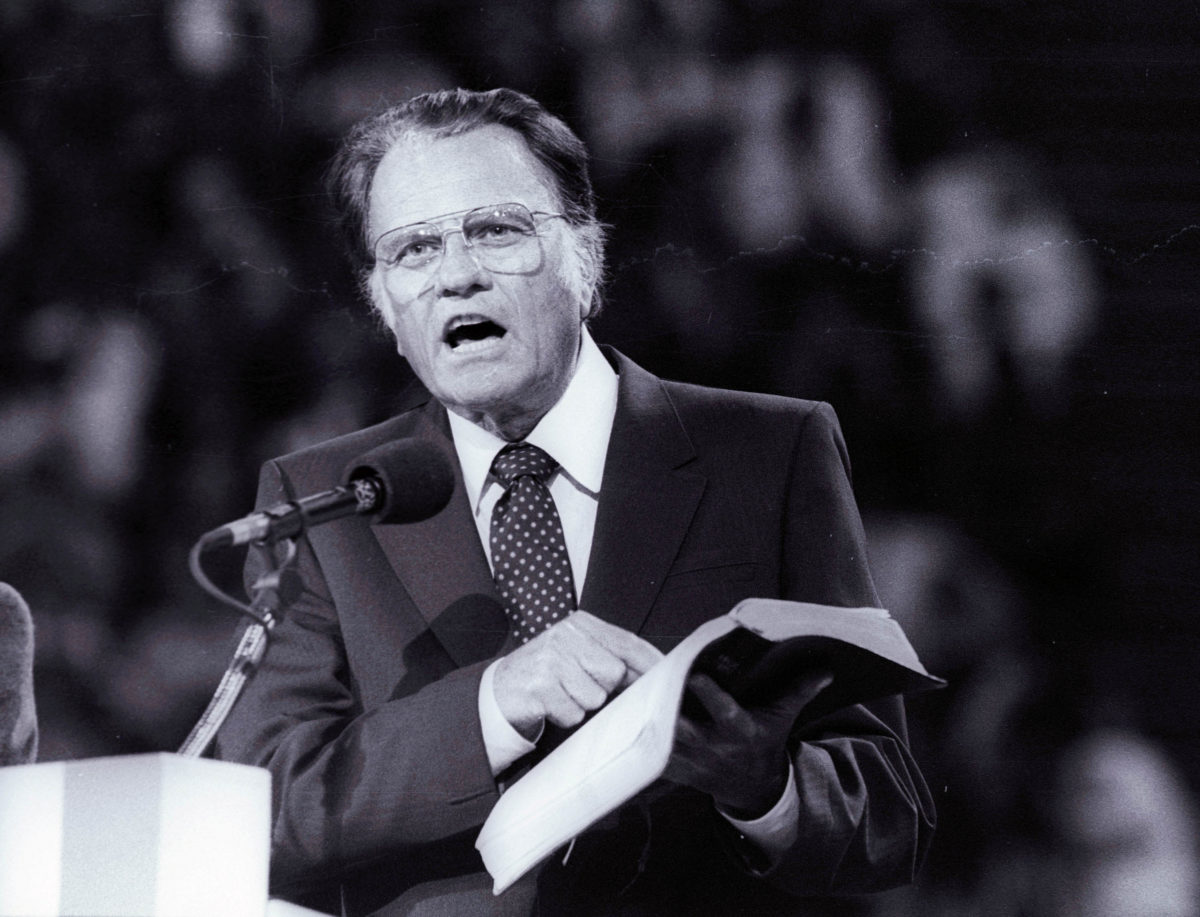
Good Man~A Christian who does God’s will, and who lives coram Deo.

FILE PHOTO: Evangelist Graham, preaches the Gospel to thousands of believers during the meeting at Bercy's Stadium in Paris as part of a worldwide crusade
Evangelist Billy Graham, preaches the Gospel to thousands of believers during the meeting at Bercy’s Stadium in Paris as part of a worldwide crusade, September 20, 1986.

Man~Everyone else.  And the Übermensch. 🙂

ubermensch02

Legalism versus Conceptualism

Originally posted on September 1, 2013

The way we believe as Christians currently is very conceptualistic, especially compared to the legalism of orthodox Judaism, as manifested in Jesus’ day, and before.  The Old Testament Torah is rife with hundreds upon hundreds of commandments, statutes, ordinances, and judgments that the children of Israel had to follow according to Moses, and those who put the oral tradition to paper, beginning in King David’s time.

Every day, Priests of the house of Aaron, of the house of Levi, had to offer, morning and evening, a fresh, clean, animal for sacrifice to atone for the people’s sins.  Not only could the common folk not come before the LORD, they could not even come near the tabernacle of meeting except to make their sin and peace offerings and tithes to the Priests and the Priests helpers.  And even Aaron and his sons and descendants could only go behind the veil to minister before the mercy seat–the actual presence of God–once per year, on the Day of Atonement.

It was necessary for the Messiah to come and to deliver man out of that impossible state.  Not only was it a blood bath daily, but the judgments handed out, even by Moses, were cruel, reminiscent of Hammurabi’s “eye for an eye, tooth for a tooth” law, carved into a code for the masses hundreds of years before.

So when Jesus came, and was accepted (eventually) as the perfect propitiation for our sins, and the sins of the whole world forever, what a relief it must have been!!  As the perfect Lamb of God, it became no longer necessary to sacrifice innocent animals daily to make man worthy.  Man was still unworthy, but Jesus made man new if man would only accept that Jesus was taking the place of the sacrificial beasts, and taking sin upon himself by dying willingly.

Jesus also preached a fresh message about God’s Love.  God in the OT was harsh and a discerning taskmaster more than he was a loving forgiver.  Oh, yes, he forgave the Hebrews much grumblings and times when they fell away from Him in the Wilderness, but God was definitely a harsh Elohim who could and would punish those for even questioning His rule; and He did it time and time again, as illustrated in the Old Testament.

It wasn’t that God became loving after Jesus, it is that when man first came to be monotheistic, it was in an atmosphere of polytheism where kings had godly attributes and could strike anyone down for anything; it was a harsh environment in which man lived.  So, the early tradition of the patriarchs saw God as the the One True God and divine, but in a way that replaced the all powerful impulsive pagan gods, but still held the basic aire of awesomeness and fearfulness that man had regarding his god; a primitive superstition that it is hard for us to understand across the deserts of time.  They were truly God-fearing.

Not many today would say they were God-fearing.  We have watered God down so that He is not so miraculous and wonderful as he was in the ancient times of our religion.  Men attributed almost everything to God’s signs and wonders in the early days of our faith, which is evident in the mythical stories of the Bible.  But now we place God somewhere in the middle of that great continuum and give him attribution and glory when WE feel it’s due; He doesn’t smite people anymore, He doesn’t have the ability (according to many) to heal miraculously anymore, He just sort-of hangs out loving us and watching us go about our way, without intervening in too fearful or too wonderful a way.

What happened to evoke this change in our outlook about God?  The are many reasons, but for now I want to focus on this part of it:  I think it was in large part due to our taking God out of our daily reality and putting him out of graspable bounds, into an abstract world we rarely have to contemplate.  The Hebrews had their tabernacle set in the midst of them.  Their whole world revolved around worshiping God daily through the Priests, making offerings of restitution and peace to the Priests, confessing to the Priests, and asking the Priests for atonement with God and judgments for conflicts in daily life.  Via blood sacrifice of animals and laws they could not overlook, like never eating blood, because the blood of an animal was too sacred for man to eat; and never eating fat because the fat was a sweet offering for the LORD; and laws like these, it was hard for man to escape his responsibility to God, and his role as congregant.

When Jesus came on the scene, he unbloodied the atonement ritual, which needed to happen.  Blood sacrifice smacked of pagan roots, though it was a necessary bridge for man being humbled before the LORD because the life is in the blood.  Ancient man revered this right of ceremony, and needed that to make atonement for their souls.  But Jesus did not erase all the Law, as much as he refined it.

Later, men came to start regarding Jesus as God, and this was a cemented decree at the Council of Nicaea in AD 325.  If Jesus replaces God, then it follows that everything Jesus said could replace everything in the Old Testament.  There is no surprise then that Christians rely too heavily on the New Testament, leaving the wisdom of the Old Testament to the dust of the ages.  Many Christians today cite the Two Great Commandments as the only ones needing to be followed.  They ignore the hundreds of other laws in the OT that God said, “This will be a statute for future generations, forever”!, and they allow any common folk to come directly before the LORD, no matter what sins they may have committed or whether they have sought proper restitution and forgiveness with a holy Priest.  Unless they are Catholic, they don’t even confess their sins anymore, and it’s doubtful most Catholics even still do attend confession.

They took liberties with Christ’s mission, and made Christ a thought and an action in place of God, whereby all that is required now in the eyes of most Christian doctrine is that one believes in Christ as Messiah and falsely, Christ as God, and all will be well with that person spiritually.  That one simply understands the concept of Christ for their life, and it will all be made right.

For nearly two millenium we have had man believing in the One True God.  Man was God-fearing and God, through Moses, made a lot of laws (some not from Moses) to keep man obedient.  Now for nearly two millenium we have man believing that the One True God is divided into three pieces and that just understanding that concept is enough to be obedient, that God is Loving.

The fact is that there is One True God.  He is to be feared and to be as friend.  He has laid out many laws for us to follow in every realm of our lives–spiritual, personal, familial, relational, financial, and societal, which can keep us obedient and successful.  We need those laws to be tangible and in our daily lives just as we need to understand they are sometimes intangible.  Jesus is not the answer.  God is the answer!  Jesus is a new bridge to God.  We cannot replace God with Jesus.  We cannot replace Priests with people.  We cannot replace daily worship to God merely with mindfulness of Jesus.

It takes love for God, faith (holding fast to Him at all times), and obedience (to walk in His ways), to come into the realm of God.  That is the holy trinity.

Love,

~Mary

I feel like…

Originally posted on August 31, 2013

Nothing has the ability to truly affect me anymore. Like I feel things, and my body, heart, and mind move to react as usual, but then it’s circumvented or short-circuited and all I feel is white buffer. Like I am in a white climate-controlled room, and I am resting on the comfortable floor. Is this peace? My body recoils somewhat because it isn’t used to true peace. It’s used to responding to the world’s demands.

The world doesn’t own me anymore. God does. Thank You, LORD.

The Problem of the 300 Levites

Originally posted on August 26, 2013

It’s funny how once you see it, it seems obvious, but before you see it, it isn’t.

That is the case with the 300 missing Levites.  Oh, yes, the Priestly Writer strikes again.  I’m having so much fun with him!  *squeals gleefully*   He gives me many good riddles to solve.  This one has me stumped however.  Now that I know his-’eh hum’-number, I can usually crack his codes quite quickly.  But the Case of the Missing Numbers in Numbers has me masticating.

Shall we begin?  This will be quite a whirlwind~

It starts at the beginning of the Book of Numbers with the census.  The numbers are important to me inasmuch as the Priestly Circle has hidden a code in them.  Other scholars have proven that the large swaths of people (hundreds of thousands) could not really have occurred during this time in the Wilderness, and have made legitimate arguments for that.  Since I know the Priestly Writer used numerology to make the numbers add up to a hidden cohesive code, I do not bother with trying to support or refute the likelihood of the actual numbers given in the Bible, but prefer to deduce the symbolic meaning they represent.

In the Wilderness, the tribes moved around the desert in a formation of a cross (E/S/W/N), in three tiers basically, with the precious Ark of the Covenant nestled in the very middle of them.  As this process is explained, it becomes clear, if one plots it, that the Priestly Circle attributes the most important people (for his purposes) to the East.  Then the South.  Then the West,  Then the North.  This makes a clockwise motion.  It’s not that the East is always the most important in the Bible.  Indeed the Ark of the Covenant within the Holiest of Holies is situated in a westerly direction.  But East has always been prized by ancient, pagan cultures, probably because the sun rises in the east.

Anyway, for brevity I will omit the actual families’ names here, but the book explains how the twelve tribes of Jacob are divided up into bands of three with the Levites in the middle, guarding the ark.  That equals 13, yes.  But remember that the tribe of Joseph was divided into two bands.  [the stage of this division is set up all the way back in Genesis in the poem, “Jacob’s Last Words to His Sons”, and is iterated more clearly in Numbers 1:32-35.  This makes me think the Priestly Writer’s influence was cast all the way back into Genesis].  If we crunch the numbers, we see that we come up with 10/10/10/7.  If we multiply these out we get 7,000.

Then the band of Levites is counted and their number given is 22,000 [Numbers 3:39].  However, if you add up the numbers given in “Census of the Levites Commanded”, one gets 22,300.  Did the Priestly Writer do this on purpose?  I’ve never noticed a ‘mistake’ in his numbers thus far.  It has been proposed that the numbers given for the family of Kohath (the most important family) of 8,600 has been mistransliterated from 8,300.  But if that is the case, then the larger band of Dan, et al., who serves the northern flank would also have been mistransliterated because their number given is 157,600.  I understand mistransliterations do happen as in the Red Sea really being the ‘Reed’ Sea, but when it comes to the Priestly Writer one just never knows!

So, that is the problem of the 300.  Let’s forge on.

The inner band of Levites is actually divided into two bands, their families from one month old and up; and those who service the articles of the tabernacle who are 30 to 50 years of age, make up the innermost circle, and even camp as a legion close to the articles.  When we apply numerology to the family band, we get the number 7.  When we apply it to the very inner priestly circle (!) we get 3.

The same clockwise rotation applies for the two circles of Levites as applied to the outer circle.  So, in effect, we get this:

  • outer circle:     1/7,000
  • middle circle:  7/22,000
  • inner circle:     12/3

Again, 22/7 represents a pi of 3.  But instead of a circle this time, we have three circles twirling together, as in a vortex.  1 and 7 and 12 represent 1 God, 7th degree of holiness, represented by 12 units within a circle (like a clock is divided into 12 hours).

So perhaps the Priestly Writer gave us an extra 300 because he wanted it to come out with 7 in the middle circle, and/or perhaps he wanted to repeat the theme of pi in a three-dimensional plane.  I doubt it was a mistransliteration…

Exciting times ahead, because as I was studying my spiritual journal I stumbed across a writing in Job and guess what a quick and simple addition revealed??  You got it: 22/7/3 again.  Scholars do not know who wrote Job, but I have a feeling I do.  And now you do as well.  🙂

This has rocked my world a bit, this numerology discovery.  At first I literally thought it was God speaking to me from His Word.  While I still think there was that aspect for sure, because I otherwise would never have seen it, A theory is working itself out in my head that in the era just before Christ came on the scene, there was so much debauchery and corruption within the Israelite ruling class, with firstborn sons having priestly privileges, and oftentimes abusing those privileges, not to mention bad rulers; that I think there existed an underground circle of priests who, throughout all these hard times of unGodly leadership and exile, tried to lace God’s true Word with a hidden meaning in order to identify it and keep it pure, for those deemed worthy.

I studied somewhat about the rulers in the first and second centuries B.C., and I see no evidence of these Priestly Circle numbers in their realm, though they did use numbers like 8 or 800, which was likely borrowed from a more eastern influence.  This sort-of thing can tell us, in light of the Priestly Writer’s hidden number code, that they probably were not deemed worthy nor were they truly holy high priests, even if they called themselves such.

In essence, the Priestly Writer might have manipulated the numbers and circumstances of the Old Testament to fit an agenda of who the Priestly Circle deemed worthy or important, versus it being the literal word of God, but that doesn’t mean that the primary import or meaning behind it is not Godly.  It does become obvious, however, that following certain, or ALL, of the recorded statutes word for word, is no different than following man-made law word for word.  As Jesus came to represent so well, God’s Word and Will stands deeper and is more unconditional than what men have had the ability to influence in the pages of time.

Update: Then I just ran across this link: https://www.thetorah.com/article/recounting-the-census-a-military-force-of-5500

Love,

~Mary